
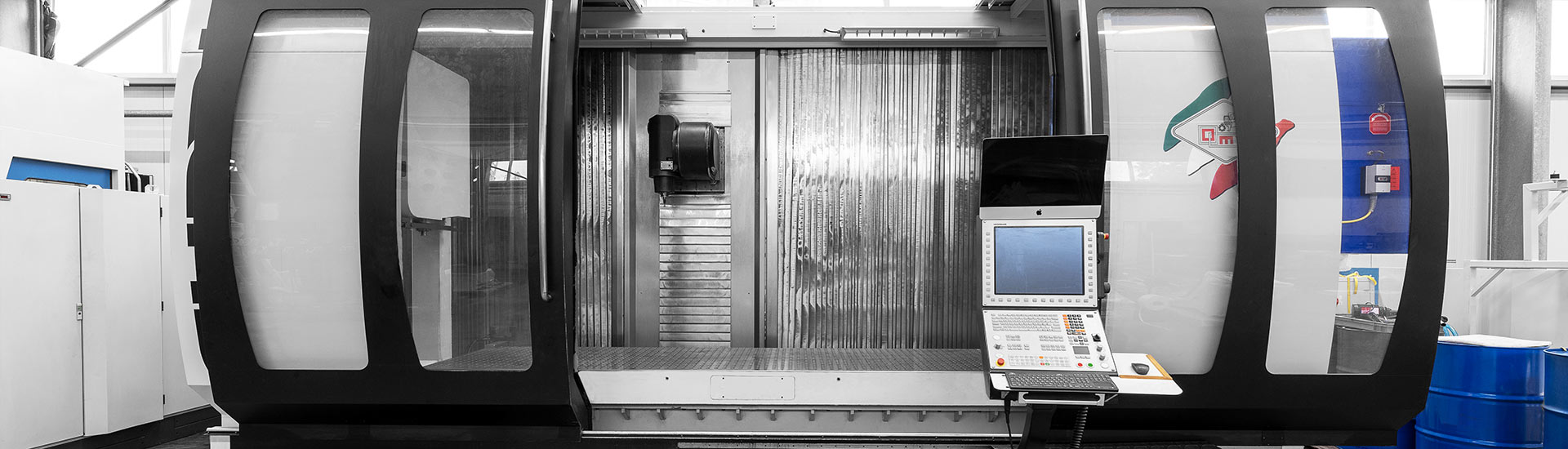
Milling Machines

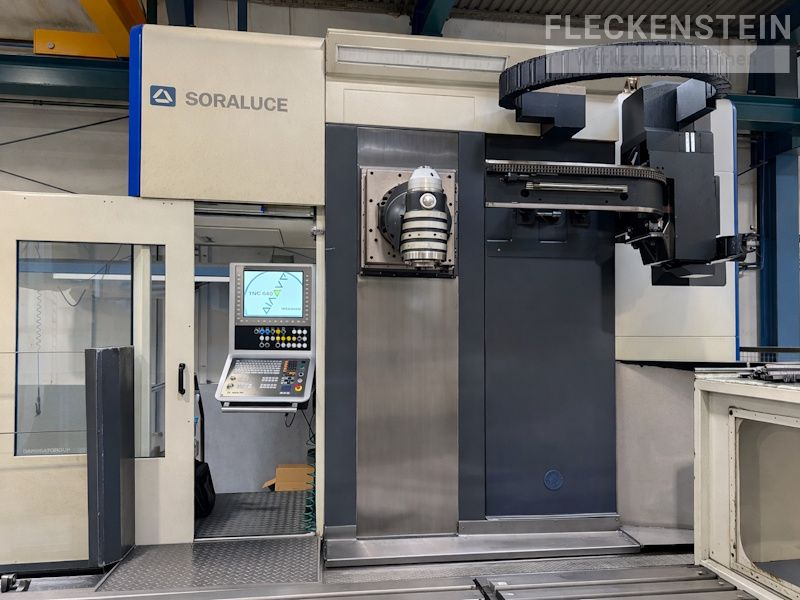
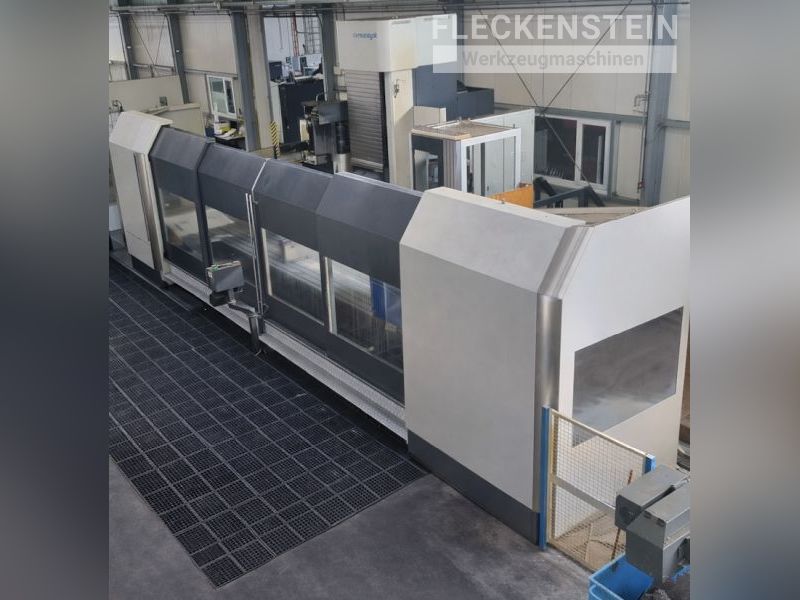
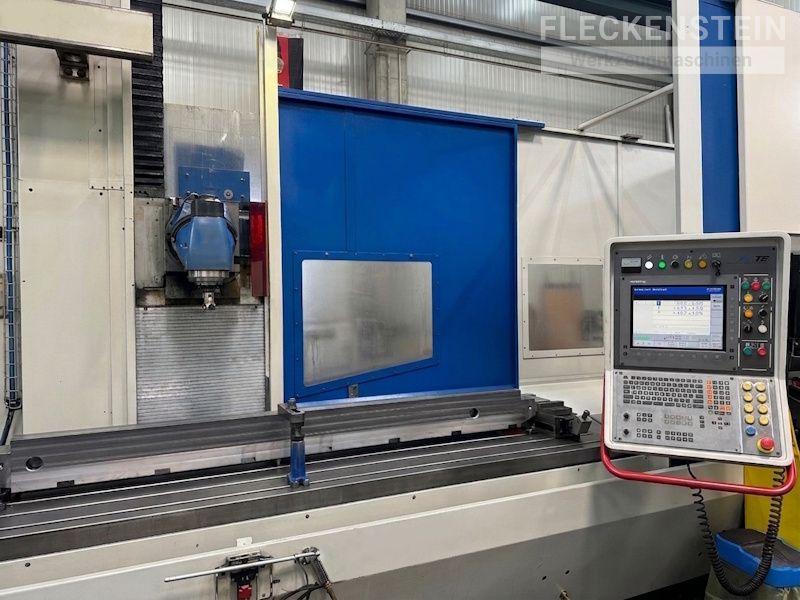
CNC - Travelling Column Milling Machine
CORREA ANAYAK HVM-65
HEIDENHAIN iTNC 530 HSCI
Built 2013
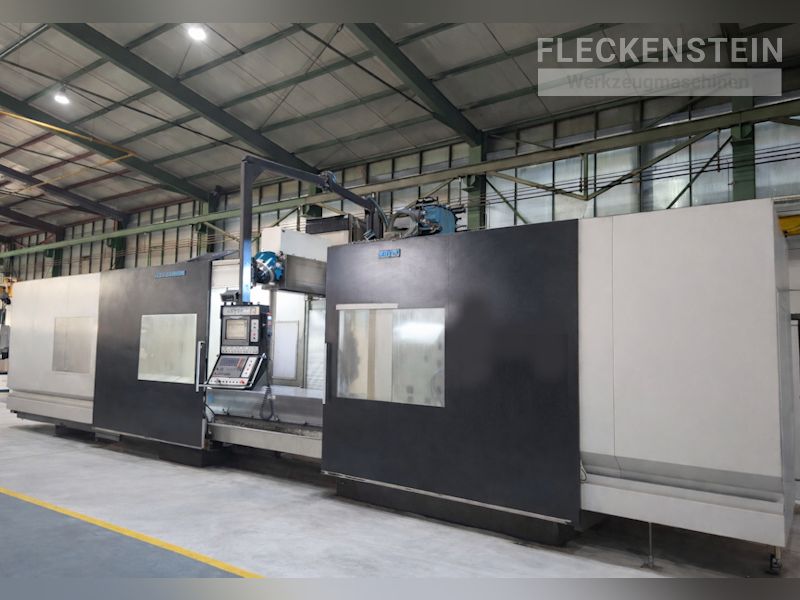
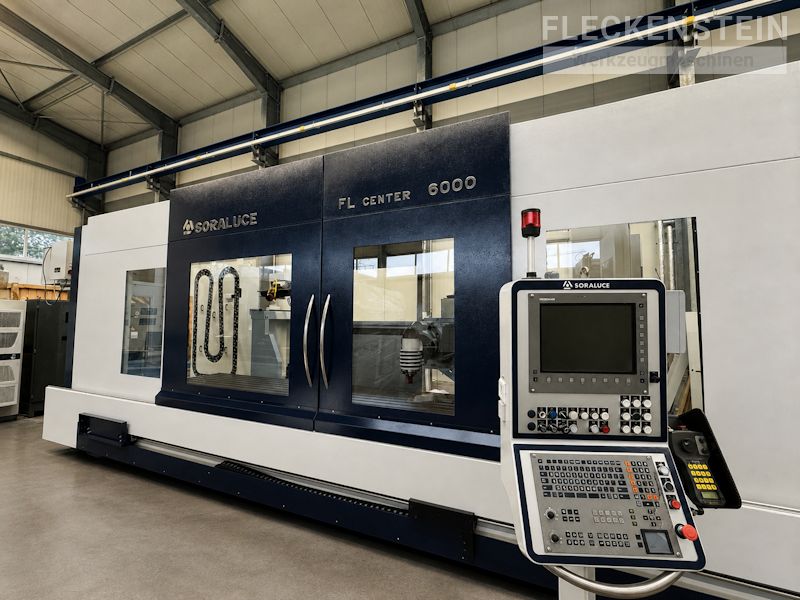
CNC-Travelling Column Machining Center
SORALUCE FL-Center 6000
HEIDENHAIN i TNC 530
Built 2006
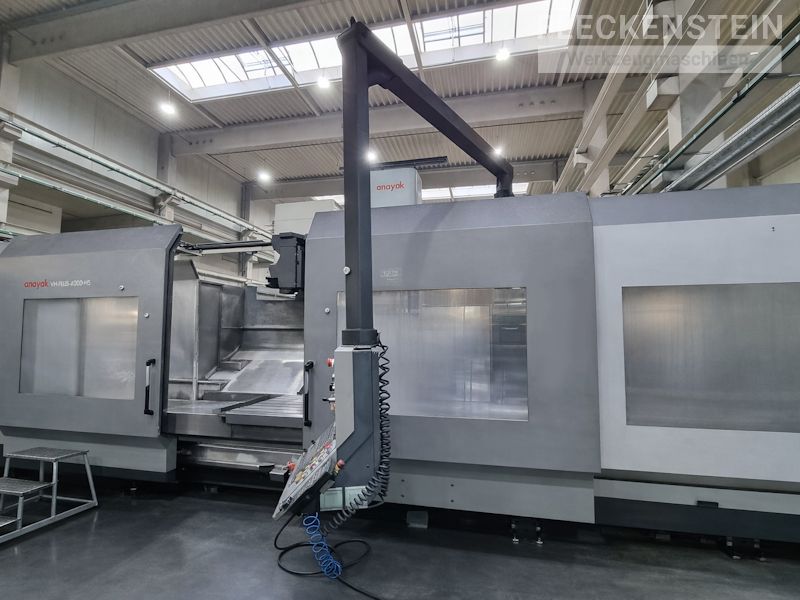
CNC - Heavy Duty Bed Type Milling Machine
CORREA ANAYAK VH Plus-4000 HS
HEIDENHAIN i TNC 530
Built 2008
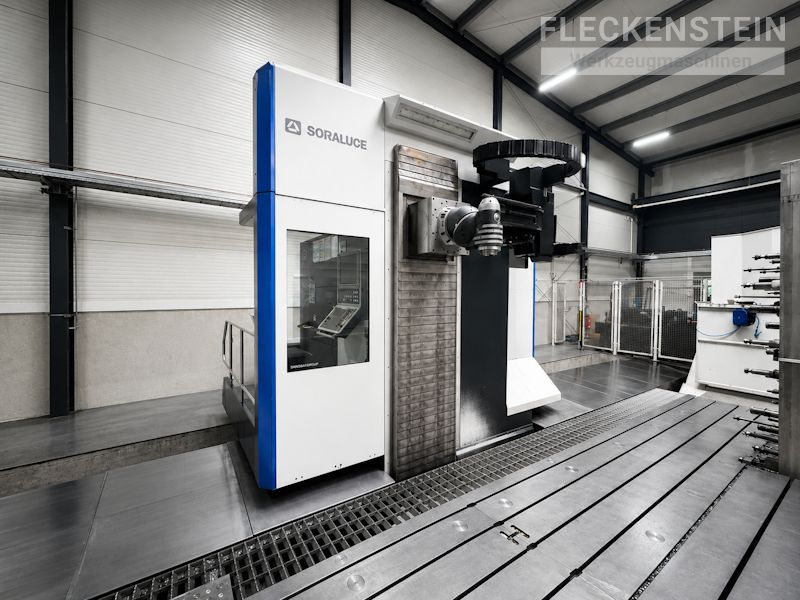
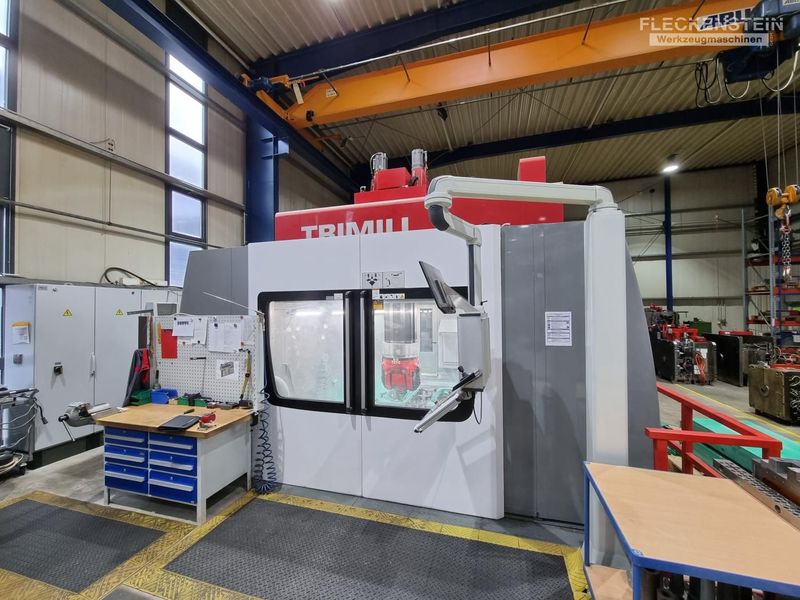

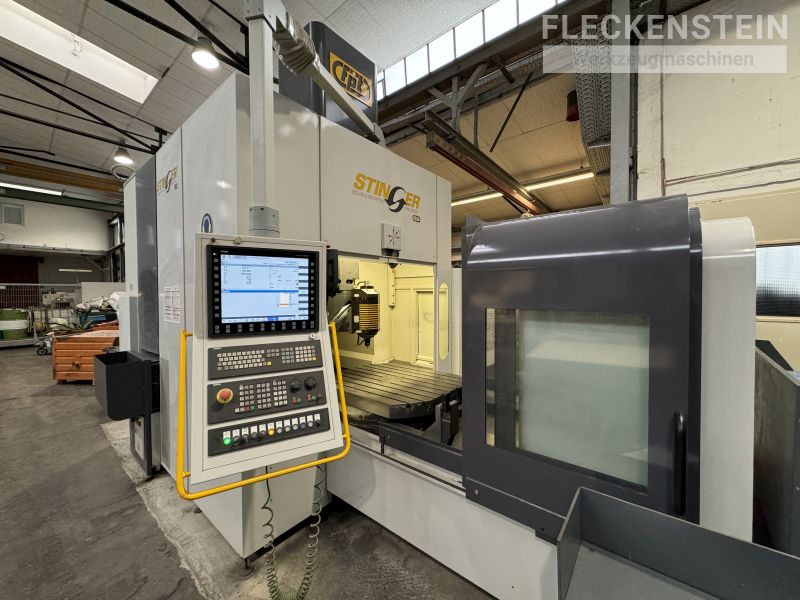
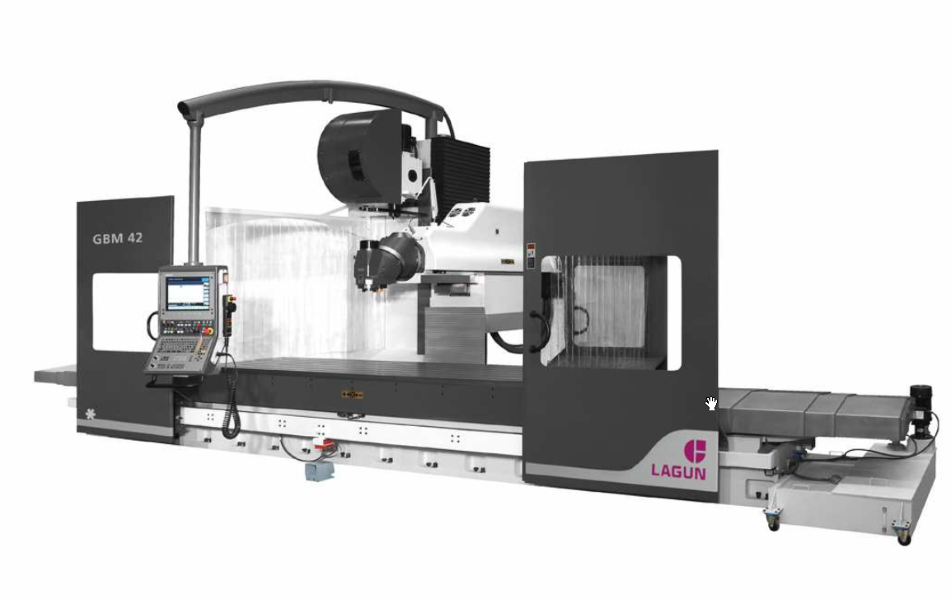
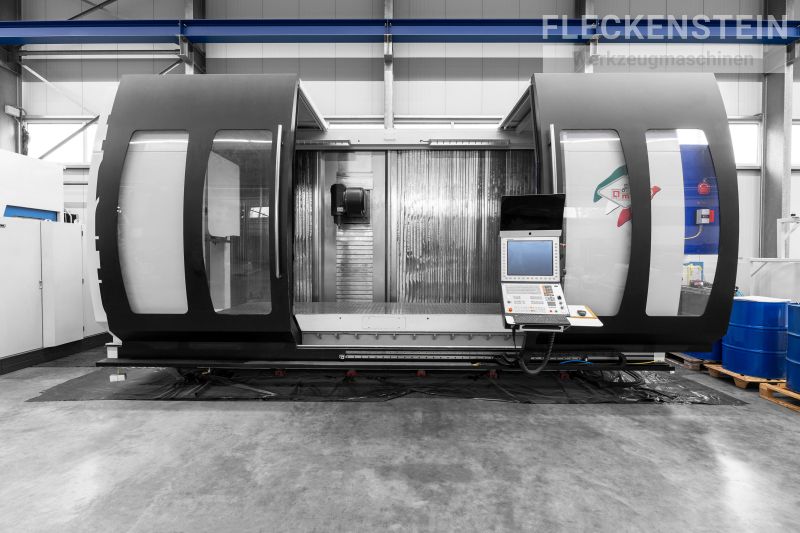
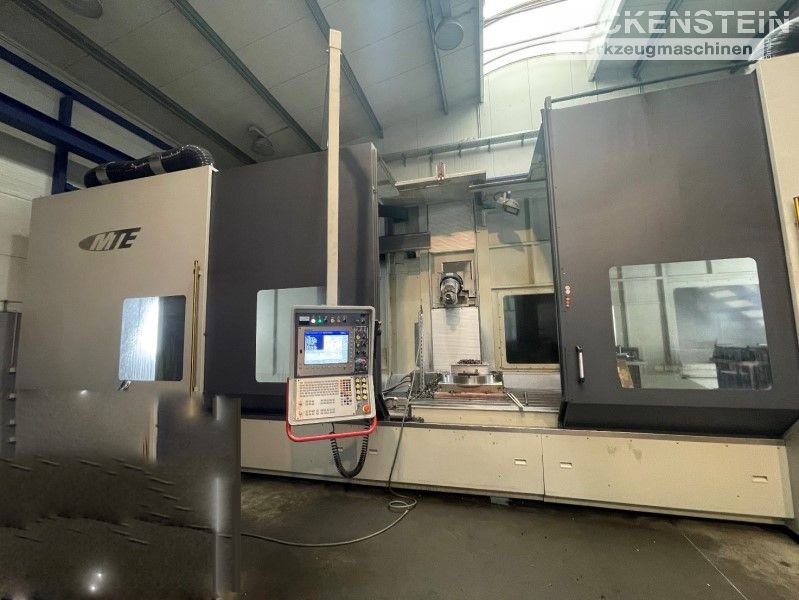
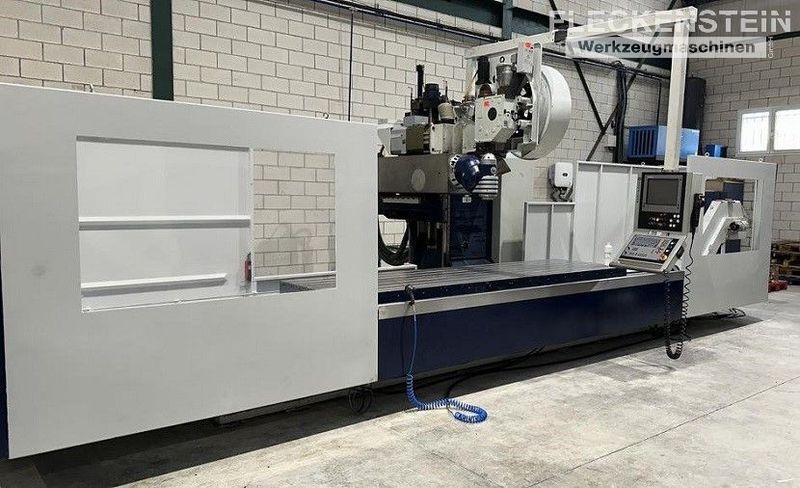
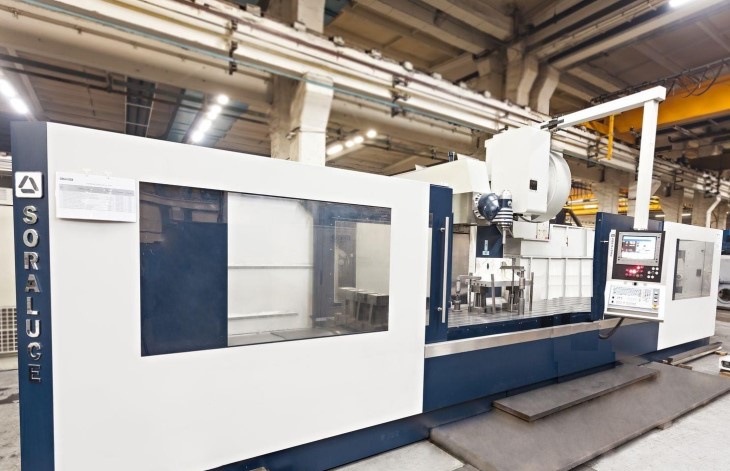
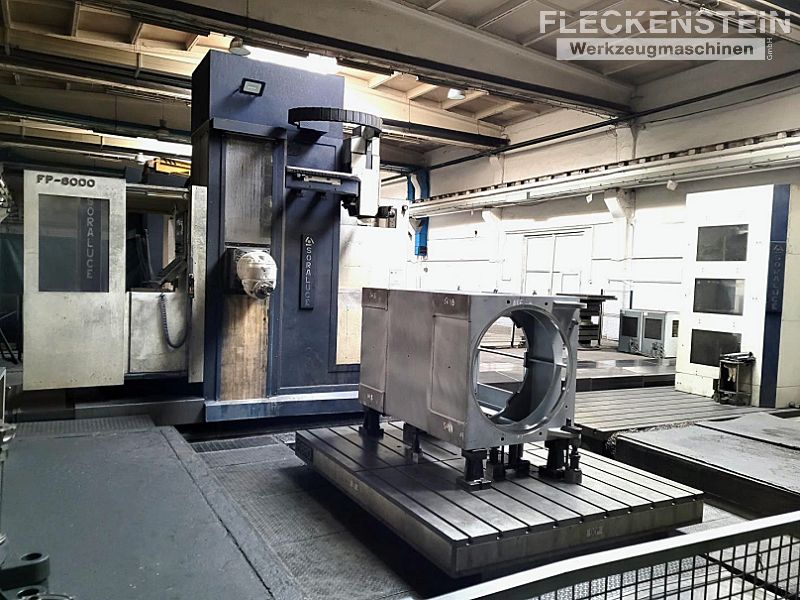
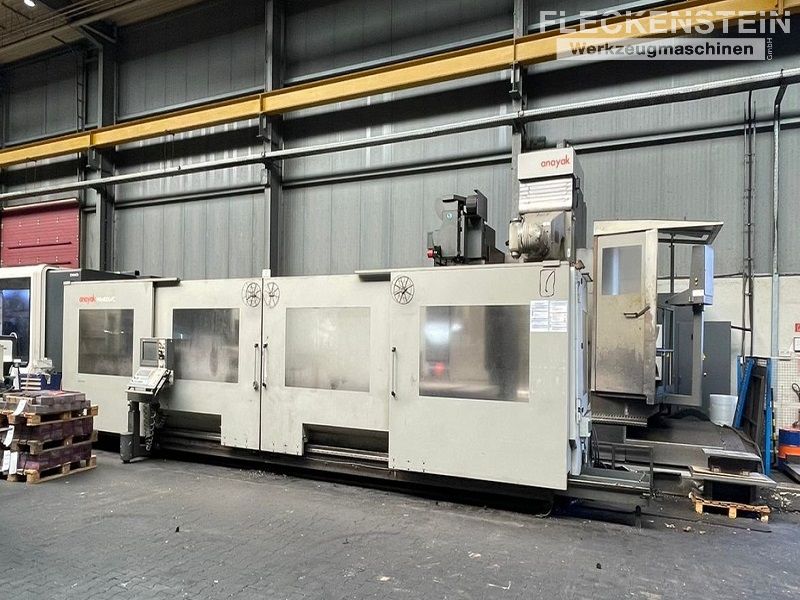
Used CNC-Travelling Column Milling Machine ANAYAK HVM-8000-PC
HEIDENHAIN iTNC 530
Built 2007
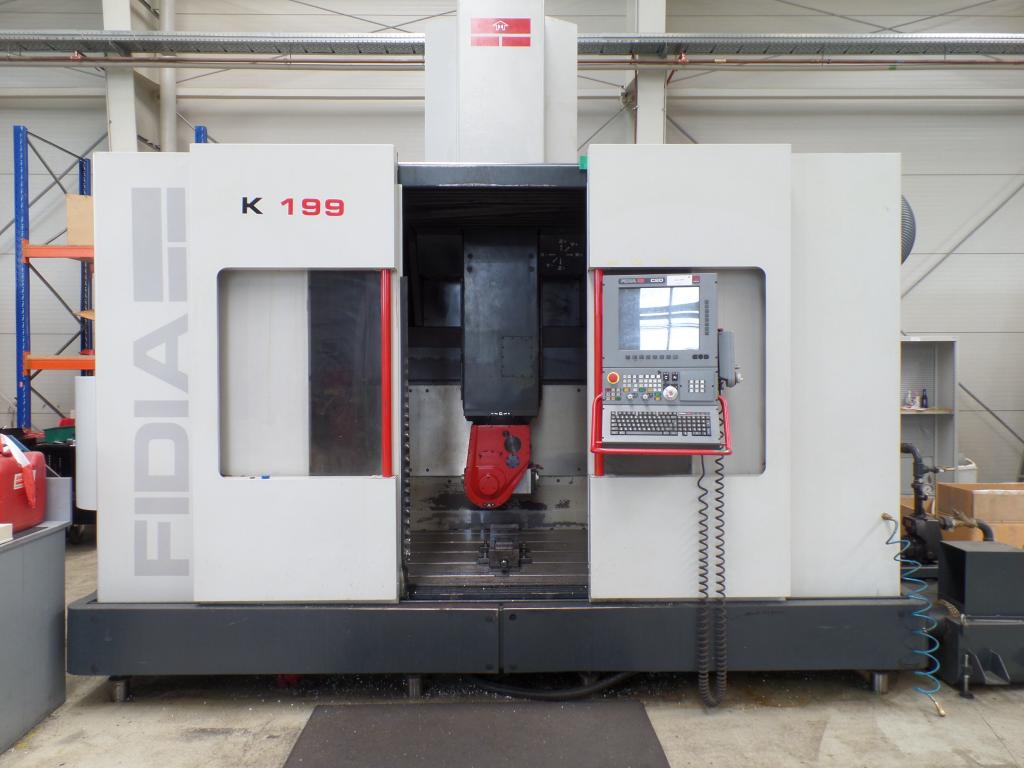
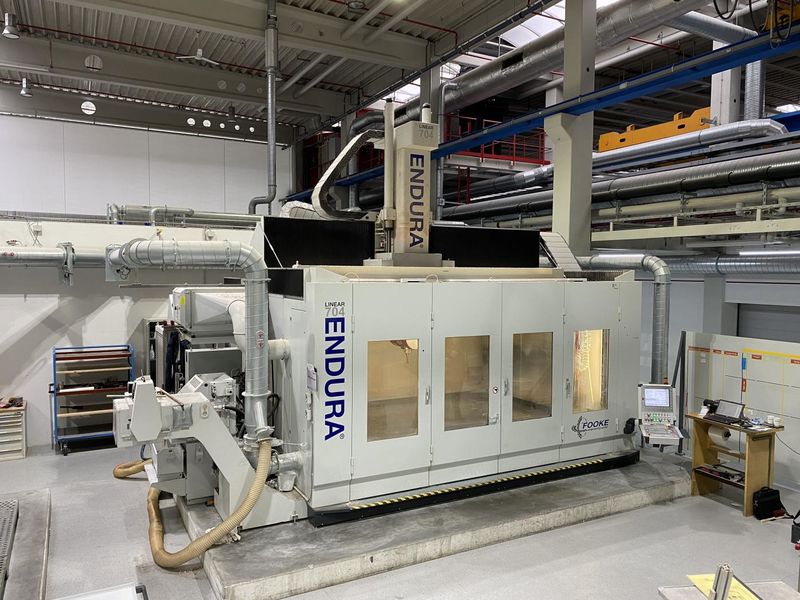
Used Gantry-high-bed Portal Miller FOOKE ENDURA 704 LINEAR
HEIDENHAIN iTNC 530 HSCI
Built 2015
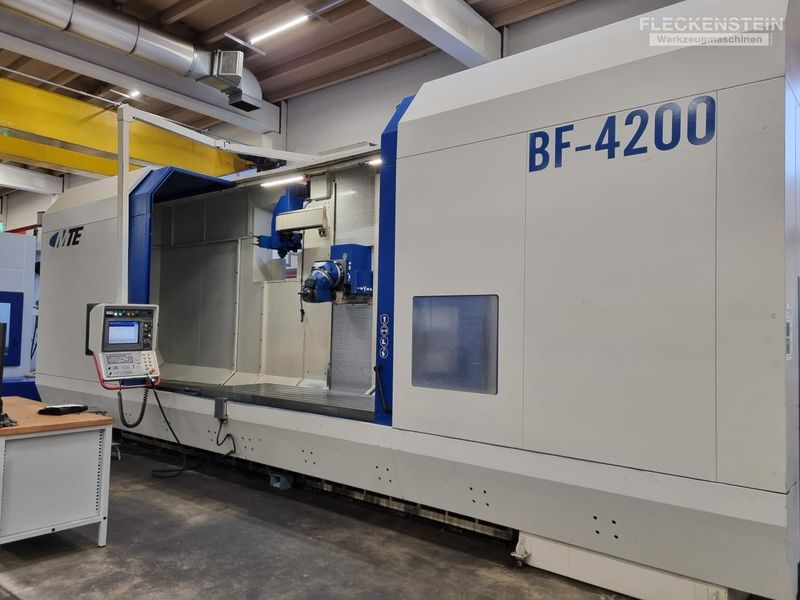
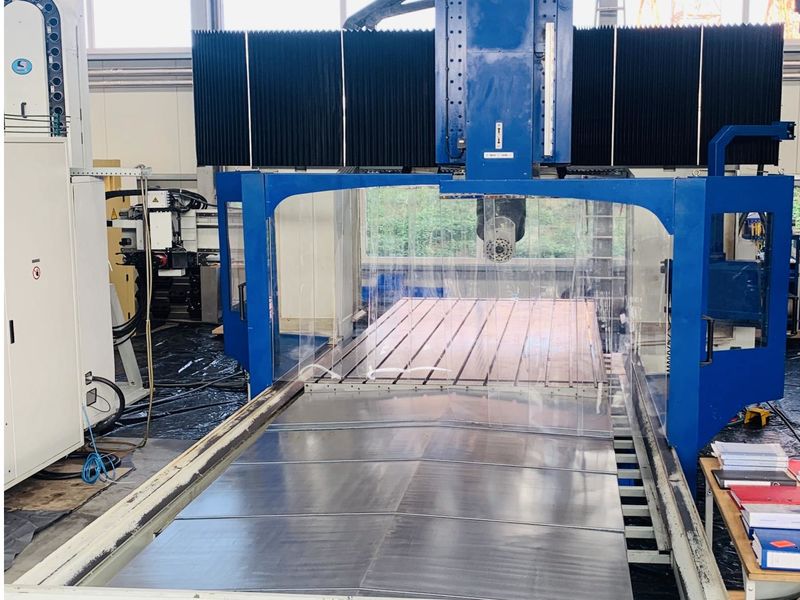
Everything about used milling machines from Fleckenstein Machine Tools
What is a milling machine – definition, applications, and advantages
A milling machine is a machine tool that removes material by rotating around its own axis. This subtractive manufacturing process, known as milling, is characterized by the fact that the workpiece remains fixed while the milling tool moves across its surface under computer control. With at least three controlled axes, the CNC milling machine enables the production of complex geometries and covers both simpler machining operations such as drilling and reaming, as well as more complex processes like pocket milling, thread milling, and circular milling.
This makes the milling machine a true all-rounder. Milling machines can be used to machine everything from simple components like brackets or mounting plates to complex assemblies such as engine blocks, gears, or precision components.
Milling machines can machine almost any material – from metals and plastics to wood. Their high manufacturing precision and universal applicability make them an indispensable machine in any modern manufacturing process.
Evolution of the Milling Machine
Milling machines have profoundly shaped industrial production. Originally developed to accelerate manual machining, early models consisted of simple machine elements without the axis drives common today. With automation beginning in the 1940s, the first NC machines emerged, primarily used in the aerospace industry. From the 1960s onward, further development led to CNC technology, which enabled complex manufacturing through improved data processing. Today, CNC milling machines are indispensable in virtually every industry – from watchmaking to aerospace, regardless of whether it's for one-off or series production.
Milling Machine Construction
The construction comprises the machine frame, machine table, milling head, and feed mechanisms.
- Depending on the design, the frame is manufactured as a monoblock, which offers high stability with a small footprint.
- For large machines, heavy cast or welded steel frames are used, sometimes also as composite materials and filled with special concrete to optimize the machine's stability and damping properties.
- The movable machine table is generally suitable for smaller workpieces, while versions with a fixed platform anchored to the floor are often reserved for larger machines. This avoids continuously moving large and heavy workpieces via the table drive.
- The mounted milling head can be rigid or movable and is multi-axis in modern machines. Versions exist with clampable axes (positive or force locking) and continuous axes.
- For precise positioning of the axes, preloaded ball screws are often combined with linear or flat guides, which combine low-friction and precise movements with high repeatability. For longer travel distances greater than 4-5,000 mm, rack and pinion drives with two driven pinions, which are electronically tensioned together, are often used.
Types and Designs of Milling Machines
There are numerous variations, differing depending on the application:
- Vertical milling machines: Spindle is vertical, versatile for grooving, drilling, and contour machining.
- Horizontal milling machines: Spindle is horizontal, ideal for heavy workpieces and high material removal rates.
- Universal milling machines: With swiveling tables up to 45°, enabling flexible machining. Today, often designed as machining centers.
- Boring mill: Milling machine with a horizontal but movable spindle and a rotary table mounted in front of it.
- Bedded milling machines: With a movable bed and a fixed turret, high accuracy for medium-sized workpieces.
- Traveling column milling machines: With a movable turret that travels behind a fixed worktable or plate. If the traveling column machine is designed with a horizontal, movable spindle, it is called a traveling column boring mill.
- Face milling machines: Designed as portal milling machines. For very large workpieces, with high drive power and generous machining paths.
- Gantry and portal milling machines: For XXL workpieces. Often with head change stations, sometimes versatile in use in tool and mold making, aircraft technology or energy technology
Your advantages with used milling machines from Fleckenstein
With used milling machines from Fleckenstein, you benefit from a cost-effective solution for your production. Our machines are carefully inspected, technically sound, and feature modern control systems from renowned manufacturers such as Heidenhain, Siemens, and Fidia.
Your advantages at a glance:
- High quality at attractive prices
- CNC milling machines for every requirement
- Flexible table sizes and axis configurations
- Precision, stability, and long service life
- Suitable for metalworking, mechanical engineering, and the automotive industry
Whether for prototype production or series production – our used milling machines increase your productivity and reduce downtime. Rely on our many years of experience in the machine tool trade and our comprehensive customer service with technical support.
If your desired model is not currently available, we recommend subscribing to our newsletter or contacting our team directly. Together, we will find the optimal solution for your production needs.
Discover Our Extended Machine Range
In addition to our milling machines, we offer a wide selection of high-quality used machine tools from renowned manufacturers.
Machining Centers
Vertical and horizontal machining centers for cost-efficient complete machining with high precision and productivity.
Discover Machining Centers
Lathes
High-performance CNC and conventional lathes for precise and cost-efficient machining processes.
Discover Lathes
Grinding Machines
Precision grinding technology for superior surface finishes, tight tolerances, and reliable manufacturing results.
Discover Grinding Machines
Gear Machines
Machines for milling, shaping, and grinding complex gears and precise gear geometries.
Discover Gear Machines
Boring Mills
Robust horizontal boring and milling machines for large, heavy, and complex workpieces.
Discover Boring Mills
Measuring Machines
Precision measuring systems for reliable quality control and repeatable manufacturing processes.
Discover Measuring Machines
Other Machines
Selected special-purpose machines and additional industrial equipment for specialized production requirements.
Discover More Machines
Accessories / Miscellaneous
Milling heads, workholding equipment, rotary tables, and other accessories for machine tools.
Discover Accessories